
The Girl After Pride
The Queer Community Loves Survival Until You Start To Live

Everything here stays free to read. I want the work accessible. I also have to eat, because the body continues making its little demands like rent, groceries, bills, and the other humiliations of being alive under capitalism.
Paid subscriptions are what make this possible for me to maintain long term.
If you read my essays for free and they have done something real for you, if they have named something you could not name, moved something till it broke free, sharpened your argument, clarified a feeling, or gave you language for a problem you were already living in or just made you laugh either with or at me , a paid subscription is how the work keeps going.
This is the arrangement that lets independent long-form writing exist without a corporation, a media salary, or some polite institutional patron smiling while deciding if I live or die based on how sellable to the media my work is.
The newsletter is how I update my community on new writing drops and in coming projects. The essays take a lot of time and energy. The longer ones take a lot more of it. Reading, drafting, revising, researching, arguing with the meanies on social media after it drops and revising it inevitably until it stops embarrassing me, A paid subscription covers that labor and makes it doable for me and for us long term.
If recurring support does not make sense for you financially, Ko-fi takes one-time contributions at any amount that works:
You can also find me here:
Instagram: @bundleof.styx
Essays, carousels, clips, and the occasional reel and also the place where it all began.
Twitter/X: @bundleofstyyx
Arguments, Realness and where you can see me unfiltered with my new freeze peach.
Both are where I’m most likely to respond.
The longer essays are there. If the writing matters to you, paid subscriptions on substack and Ko-fi are how you help keep it alive.
The Girl After Pride
By Tara Knight
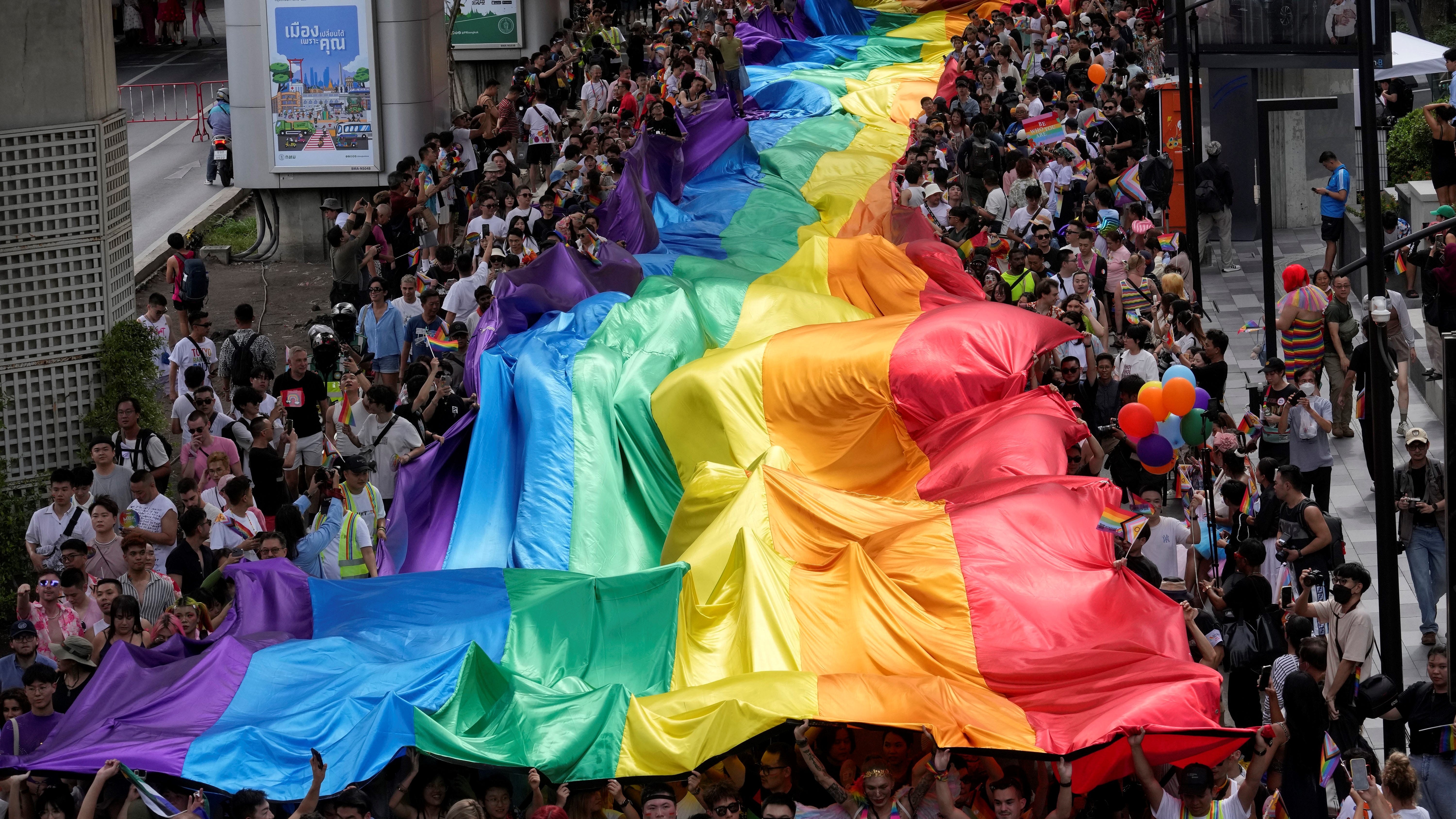
Mara knew she had outgrown Pride when the first thing she felt at the parade was exhaustion so clean it embarrassed her. Joy did not come. Even fear, once her private religion, stayed away.
It was noon and the city had already begun to smell like sunscreen, beer, sweat, fried dough, hot pavement, glitter glue, and the chemical sadness of rainbow merchandise sold by banks. A Chase booth had handed out flags near a police barricade. Somebody in a leather harness was arguing with a twink in fairy wings about Israel beside a booth selling pronoun pins. A white girl with a septum ring was crying into a vape. Three puppygirls were sitting in the shade under a tent labeled QUEER MUTUAL CARE while a volunteer in a mesh shirt tried to keep them from overheating. Two butches in black tank tops leaned against a lamppost like they had been carved there by a lesbian sculptor who believed in divine intimidation.
Mara stood near the curb with a plastic cup of lemonade sweating in her hand and felt nothing dramatic enough to justify the outfit.
She had dressed for the occasion because she still believed in costume, even when she no longer believed in occasion. Black sundress. Gold hoops. Lip gloss. Sandals that made her calves look good and her feet hate democracy. Her hair was pinned up because the humidity had declared war before breakfast. She had put a trans flag sticker on the back of her phone, then taken it off in the Uber, then put it back on in the bathroom of a café after feeling guilty, which was stupid, since nobody had appointed her Minister of Visible Allegiance to the Republic of Gender. People did this constantly, though. Turned a sticker into evidence. Turned evidence into a verdict. Turned verdict into belonging. Human beings could make a courthouse out of a napkin if given enough insecurity and poor lighting.
Her girlfriend, Nia, was late because Nia was always late in the way beautiful women are late when they know the world will forgive them. Nia had texted twenty minutes earlier: stuck behind dyke march traffic, which was both an excuse and a weather report. Mara had sent back: lesbians invented congestion. Nia had replied with a heart and a picture of her own knee, for reasons no living scholar would ever fully understand.
Mara put her phone away and watched the parade move down the street.
The old feeling should have come back.
She waited for it.
There had been a time when Pride felt like proof she was alive. Her first Pride was six months after estrogen, when her face was still fighting itself and every reflective window in the city behaved like an enemy witness. She had worn a pink crop top from Target and a skirt too short for the wind. She had been nineteen and terrified and desperate for somebody to look at her with recognition that did not require correction. She remembered standing in a crowd so loud it shook her ribs, surrounded by people in flags and body paint and cheap wigs and platform boots, and thinking, with an intensity that almost broke her, I have found the outside of the house that tried to kill me.
That sentence had saved her for maybe an hour.
At nineteen, an hour was a country.
Back then, every trans woman felt like a sign from God. The girl smoking behind the club with eyeliner running down her cheeks. The girl in the Discord server who explained injections in the voice of someone trying to teach bomb disposal to a toddler. The older transsexual at the bar who gave her one long look and said, “Baby, stop apologizing with your shoulders.” The doll who told her which clinic would misgender her quietly and which one would misgender her with paperwork. The T4T couples at Pride, codependent in ways that looked like romance until you got close enough to smell the unpaid rent. The girls kissing under rainbow arches like they had personally defeated the law. The girls crying in bathrooms because their mothers had texted. The girls posting selfies with captions about survival, with comments full of heart emojis from people who would disappear during the next breakdown.
Mara had loved all of it and hated all of it.
She had needed it.
Need was different from belief. Nobody told you that early enough. They handed you a flag and acted like fabric could explain the hunger.
A float passed blasting pop music so loud the bass made the lemonade ripple. A queen in a silver bodysuit waved from the top like a saint on a parade route sponsored by vodka. Behind her, a group of college students held a banner reading QUEER LIBERATION NOW. Behind them, a corporate employee in rainbow sunglasses threw bead necklaces into the crowd with the dead-eyed precision of a man distributing quarterly reports.
A girl beside Mara screamed, “Happy Pride!” at nobody in particular.
Mara smiled because she knew how to perform the reflex. It lived in her mouth by now.
The girl turned toward her. She was young. Early twenties at most, maybe younger. Tall, narrow shoulders, patchy eyeliner, a trans flag cape tied around her neck. Her hair was purple in the way hair becomes purple after a bathroom sink accepts casualties. She had a collar on, black with a silver heart ring, and a tag that said GOOD GIRL in pink letters. Her hands shook slightly when she lifted her drink.
“Happy Pride,” she said again, softer now, because Mara had become a person instead of a crowd.
“Happy Pride,” Mara said.
The girl looked at her for a second too long. Mara knew the look. It moved across the body first, then the face, then the voice, then the absence of obvious struggle. She had once looked at women that way too. In the first years, passing women had seemed like both a promise and an accusation. They were proof it could happen, and proof it had not happened to you yet. They could enter bathrooms without a whole legal drama occurring in their bloodstream. They could flirt without explaining the architecture of their bodies. They could buy groceries without the cashier performing amateur anthropology. They could become ordinary, which was the most insulting miracle imaginable.
The girl’s expression changed.
“You with people?” she asked.
“No,” Mara said. “Waiting on my girlfriend.”
“Oh. Nice.”
The word landed with a small injury in it.
Mara sipped her lemonade.
The girl looked back at the parade, then said, “I’m Juniper.”
“Mara.”
“That’s pretty.”
“Thanks.”
“You from here?”
“Used to be.”
Juniper laughed. “That’s such a dramatic answer.”
“I contain depths.”
“Clearly.”
Mara almost liked her immediately, which annoyed her, because liking people made everything less clean.
Juniper shifted in place, cape fluttering against her back. “I’m with my house. Kind of. House-ish. More like a polycule plus the people who survived dating the polycule.”
“Classic municipal structure.”
Juniper grinned. “Exactly. We have bylaws and emotional asbestos.”
Mara laughed before she could stop herself.
For a moment, it was easy.
Then Juniper said, “You should come by our blanket later. We’re near the fountain. Lots of dolls. A couple dykes. Someone brought fruit, allegedly. Someone else brought ketamine, unfortunately. Very Pride.”
“Tempting.”
“You don’t have to make it sound like a zoning issue.”
Mara looked at her.
Juniper’s smile wavered. “Sorry.”
“It’s fine.”
“No, I’m annoying. Sorry.”
“You are. It’s fine.”
Juniper laughed again, but this time it was defensive. Mara recognized that too, the early-transition habit of turning every correction into either collapse or combat. She had been unbearable at twenty. She had also been dying. The trick was that those facts never canceled each other out, no matter how badly everyone wanted a cleaner story.
Juniper touched the tag on her collar. “I mean, you look like you don’t want to be here.”
Mara looked toward the parade. “Maybe I don’t.”
“So why come?”
Because once a year, the city built a fake church out of music and heat and rainbow trash, and some part of her still expected to find her younger self inside it.
Because she wanted to know whether leaving had made her cruel.
Because she missed needing things simply.
Because Nia loved Pride, or claimed she did, mostly because Nia liked lesbians in tank tops and public displays of emotional instability.
Because Mara had become a woman who could pass through the world, most days, without being stopped by the old knives, and nobody had told her what to do with the grief that remained after the emergency ended.
Because the community had begun to speak about women like her in a voice she knew too well.
Instead she said, “Tradition.”
Juniper made a face. “Terrible.”
“Exactly.”
A cheer moved through the crowd as a group of leather dykes marched past with flags, boots, gray hair, bare arms, and the kind of posture that came from surviving decades of people trying to make your desire illegal, medical, pathetic, or cute. One of them cracked a flogger against her own palm and bowed to the crowd. A younger femme near the barricade screamed like she had seen the face of God and God had a carabiner.
Mara watched them and felt something then. A stubborn warmth.
She had learned lesbian culture first as rumor, then as hunger. The lesbian bar she found at twenty had been half sanctuary and half aquarium. Everyone watched everyone. Everyone had dated everyone, wanted everyone, blocked everyone, borrowed a jacket from everyone. Butches moved through the room with impossible gravity. Femmes pretended not to know they were being worshipped. Trans women arrived like bad news and holy news at the same time. There were pool tables and bathroom confessions and exes standing too close near the jukebox. There were girls with shaved heads who would ruin your life and then ask to split fries. There were older lesbians who called everyone sweetheart in a way that felt generous until it didn’t. There were T4T couples fused at the mouth, fused at the wound, fused at the checking account.
Mara had kissed her first girlfriend at Pride behind a tent full of pamphlets and branded chapstick. The girl had tasted like cherry seltzer and panic. She wore a leash clipped to her collar and kept joking that Pride kink discourse was the only thing keeping queer theory employed. That night they went home to a room with two mattresses on the floor and a trans flag pinned over the window. They made out under blue light while somebody in the next room sobbed over an ex and a speaker played music too distorted to identify. Mara remembered thinking love would always be like that. Crowded. Communal. Witnessed by people pretending not to listen through drywall.
She had been wrong, which was tragic, because being wrong at twenty felt like having been betrayed by physics.
Nia loved her quietly. That had been the shock. Nia did not require an audience for tenderness. She kept spare estrogen needles in a tin because she knew someone would always need one, but she did not turn every act of care into a membership ritual. She had boundaries that made people call her cold until they needed her competence. She could cook rice correctly, which in queer circles was basically witchcraft. She did not confuse crisis with intimacy. Mara had nearly sabotaged the relationship out of suspicion. Peace had felt like a trap laid by someone with excellent lighting.
Now they lived in a one-bedroom with plants Mara kept alive through resentment and calendar reminders. They had matching mugs. They had a couch. They had a bed frame, which felt like assimilation until Mara’s back stopped hurting. They still knew which girls needed rent money, which clinics were safe, which cops to avoid, which family court stories ended badly. They still sent money when they could. They still answered midnight texts sometimes. They still belonged to the map of trans life.
The difference was that Mara no longer wanted to live in the emergency room.
People noticed.
People always noticed when a woman stopped bleeding in public.
A voice behind her called, “Mara?”
Her body knew the voice before her mind admitted it.
She turned.
Cass stood three feet away in cutoffs, boots, and a white tank top with a black bra visible underneath. Her hair was shorter than the last time Mara had seen her. Her face had sharpened. She looked older in the cruel way people look older after they have built an identity out of being disappointed in you.
Cass had been part of Mara’s chosen family, which was what they had called it before everyone began calling it a collective, then a house, then an accountability process, then a trauma bond with a group chat. They had shared food, beds, money, cigarettes, hormones, resentment. Cass had taught Mara how to do winged liner and how to lie to pharmacists. Mara had held Cass through a breakup so ugly it rearranged the apartment. For two years they had loved each other in the lesbian way that made friendship feel like a legal category invented by cowards.
Then Mara got tired.
That was the version nobody forgave.
The betrayal people named was smaller and harder to prosecute. Mara simply stopped coming to everything. Stopped answering every crisis as if summoned by divine court order. Stopped letting the house decide whether her relationship was radical enough, whether her dysphoria was articulated correctly, whether her desire to be held by one woman in a locked apartment was a retreat into bourgeois coupledom. She moved in with Nia. She got surgery. She changed her number after a fight where someone called her “stealth-adjacent,” a phrase with no real charge inside it, only a knife taped to the handle.
After that, the stories started.
Mara had abandoned the dolls.
Mara thought she was better than everybody.
Mara had gotten pretty and left.
Mara was basically cis now, spiritually, which would have been funnier if it had not been said by people who claimed biology was not destiny and then reinvented it as gossip.
Mara had become a class traitor.
That one stuck because it sounded political enough to hide the hurt underneath.
Cass smiled without warmth. “Didn’t think you still came to this.”
Mara felt Juniper looking between them like a spectator at a sport nobody should have invented.
“I could say that too.”
“I come every year.”
“I know.”
Cass’s eyes moved over her dress, her face, her bare neck, her lack of visible flag beyond the little phone sticker. “You look normal.”
Mara’s throat tightened.
There it was. The old punishment dressed as observation.
“Thanks,” Mara said, because she had become meaner with age in ways that saved time.
Cass flinched.
Juniper said, “I’m gonna get water,” then fled with the survival instinct of a deer near a lesbian processing circle.
Cass watched her go. “She’s cute.”
“She seems sweet.”
“She looks at you like you’re the final boss.”
Mara looked at her. “Girls like me?”
“Don’t.”
“No, say it.”
Cass laughed, but her eyes were wet. “You know what I mean.”
“I know what people mean when they don’t want to hear themselves say it.”
The parade kept moving. Music covered them, then left them exposed again.
Cass stepped closer. “You disappeared.”
“I left.”
“People needed you.”
“I needed me too.”
“That sounds expensive.”
“It was.”
Cass’s mouth twisted. “There she is.”
Mara hated how much she wanted to touch her. Not romantically. Nothing clean enough for that. She wanted to fix Cass’s collar where it had folded under itself. She wanted to ask if she was eating. She wanted to know whether the apartment still had mold in the bathroom. She wanted to say, I missed you, which would have been true and useless. The worst grief was the kind that survived the accuracy of your decision.
Cass said, “You don’t talk to anybody anymore.”
“I talk to people.”
“Sure. The respectable ones.”
Mara smiled sadly. “My life isn’t that glamorous.”
“You have a life.”
“So do you.”
Cass looked away.
That was the injury. Mara saw it then with a clarity that made her feel cruel for having missed it. The couch was scenery. Cass was angry because Mara had become imaginable elsewhere. Because Mara had crossed some invisible distance from survival as spectacle into survival as routine. Because the old group had made a politics out of refusing the world, and Mara had done something worse than betray it. She had built a small life in the world anyway.
Revolution never arrived in it.
Rent paid on time, sometimes late.
Groceries.
A doctor who knew her name.
Sex without dissociating every time.
A girlfriend who had seen her scars and did not turn them into a thesis.
Waking up and realizing gender no longer took up the whole ceiling.
That kind of survival arrived without flags, credit-union floats, chants, or afterparties where a DJ in a mesh crop top could make it sound righteous. It was boring, which made it suspect. It was private, which made it look like shame. It gave Mara fewer reasons to be available for public suffering, which people treated as evidence that she had stopped caring.
Cass said, “You used to get it.”
Mara’s chest hurt.
“I did,” she said.
“Did.”
“I get other things now.”
Cass shook her head. “See. That.”
Mara looked past her to the crowd. A group of early-transition girls posed for photos by the barricade, arms around each other, all knees and nerves and eyeliner. One wore a sash that read T4T PRINCESS. Another had a trans flag painted across her cheeks. They were laughing too hard at something that probably was not funny enough. Mara felt an ache so sudden she almost had to sit down.
She loved them.
She could not go back to being them.
Both facts touched and recoiled.
That was the part nobody wanted from her. They wanted her gratitude or her betrayal. They wanted the clean speech. I owe everything to the community. The community saved me. The community failed me. Pride is home. Pride is a scam. Transition is arrival. Transition is exile. Pick a slogan and bleed into the merch.
Mara had no slogan.
She had a body that had become easier to inhabit and a loneliness that had changed shape.
She had spent years fighting to become recognizable to herself, then found herself estranged from the people who had witnessed the fight. The wound was absurd. It felt ungrateful. She had gotten what she wanted and discovered that wanting had been the social glue. Without emergency, half the room did not know where to place her. Neither did she.
“I don’t think I’m better than you,” Mara said.
Cass gave a small, ugly laugh. “You just live like you are.”
Mara nodded slowly, as if the sentence had entered her body and needed somewhere to sit.
Maybe that was true in a way. Maybe every life made claims it did not intend. Privacy looked like superiority to people still trapped in exposure. Stability looked like judgment to people still surviving through chaos. Passing, even partial passing, even passing that failed under fluorescent light or in the wrong state or near a bored TSA agent, could look like desertion from the side of the barricade where everybody’s body was still being debated out loud.
“I don’t know how to apologize for surviving differently,” Mara said.
Cass’s eyes filled. “I didn’t ask you to.”
“You kind of did.”
The words landed between them without drama. Just a fact with tired shoes.
Cass wiped her face angrily, furious at the evidence of softness. “You could’ve stayed.”
“I couldn’t.”
“You mean you didn’t want to.”
“I mean I couldn’t.”
Cass looked at her then, really looked, and for a second Mara saw the old girl inside her, the one smoking out the window in December, shivering in a bra and pajama pants, saying, “When I get tits I’m going to become so powerful everyone will regret surviving me.” Mara had laughed so hard she spilled ramen on the floor. They had been so poor the ramen mattered. Cass had cried later because her father had mailed back her birthday card unopened. Mara had sat beside her until morning. No politics had been needed. The body knew what to do.
“I missed you,” Cass said, barely audible.
Mara closed her eyes.
There were crueler things to say. Cleaner things. Things that would preserve the border. Instead she opened her eyes and told the truth.
“I missed you too.”
Cass’s face broke for one second, then repaired itself badly. “Well. Glad normal life is treating you nice.”
“It is and it isn’t.”
“Cute.”
“You’re still impossible.”
“You’re still a bitch.”
Mara laughed, and then both of them were laughing, which hurt worse than the fight.
Nia arrived during the laughter, carrying two bottles of water and wearing a black muscle tee that said DYKE DRAMA RESPONSE TEAM. She had a trans flag tucked into the back pocket of her jeans and a face full of practical suspicion.
“Do I need to step in,” Nia said, “or is this one of those ancestral lesbian wounds that need air?”
Cass looked her up and down. “You’re Nia.”
“Unfortunately.”
“I’ve heard about you.”
Nia handed Mara a water. “Sorry to hear that.”
Mara took it and loved her so violently for being exactly herself that she had to look away.
Cass’s gaze moved between them. Something in her softened, then hardened again around the softness. “I’m near the fountain if you want to pretend you might stop by.”
Mara nodded. “I might.”
Cass smiled. “You won’t.”
“Probably not.”
Cass stepped backward into the crowd. “Happy Pride, traitor.”
The word should have cut. It did, a little. Then Cass lifted two fingers in a small salute, and Mara understood the insult had changed rooms. Still ugly. Still true to the history between them. Less like a sentence now. More like an old cup with a crack in it.
“Happy Pride,” Mara said.
Cass disappeared into the crowd, swallowed by flags, glitter, heat, bodies, music, all the temporary architecture of belonging.
Nia stood beside her in silence for a while.
“You okay?” she asked.
“No.”
“Good. I hate when you lie badly.”
Mara drank half the water. It was warm.
They walked away from the curb and toward the park because standing still had become too much like waiting for a verdict. The grass was crowded with blankets, coolers, kink gear, dogs, dolls, dykes, tourists, organizers, exes, people pretending not to see exes, and children wearing rainbow face paint because adults had decided they needed tiny ambassadors for hope. A leather pup crawled laughing toward their handler near a picnic table. A group of femmes compared sunscreen. Two trans girls were arguing about progesterone with the seriousness of medieval theologians. Someone had set up a portable speaker and a lesbian line dance was forming with the grim inevitability of weather.
Mara saw Juniper near the fountain with the others. The girl waved too brightly, then looked unsure, then waved smaller.
Mara waved back.
Nia noticed. “Friend?”
“Stray.”
“Careful. You feed one baby trans and suddenly your DMs become a municipal service.”
“I know.”
“You say that, and yet.”
“I answer fewer.”
“Growth. Horrifying, but growth.”
They found a patch of shade under a tree and sat down. Mara took off her sandals and flexed her toes in the grass. Somewhere nearby, a girl shouted, “Who stole my vape?” and six people responded, “Which one?” with the exhausted harmony of a community built on shared respiratory choices.
Nia leaned back on her hands. “You look haunted.”
“I saw Cass.”
“I gathered.”
“She called me a class traitor.”
Nia snorted. “For having lumbar support?”
“For leaving.”
Nia’s face changed. She did not rush to defend her. That was one of the reasons Mara trusted her. Nia knew defense could become another way of refusing complexity.
“Did it hurt?” Nia asked.
“Yes.”
“Because it’s wrong?”
Mara looked across the park.
Juniper was laughing with her friends now. One of them had draped a trans flag over their lap like a blanket. Another was feeding someone grapes with theatrical devotion. The scene was absurd, tender, embarrassing, holy if you squinted, unbearable if you had already survived it.
“No,” Mara said. “Because it isn’t complete.”
Nia nodded.
Mara rubbed her thumb against the condensation on the water bottle. “I did leave. I wanted out. I wanted a life where every meal wasn’t a meeting, every bad feeling wasn’t politics, every relationship wasn’t community infrastructure. I wanted to transition until my body stopped being public property. I wanted to wake up and think about laundry before I thought about gender. I wanted to be loved without being studied for what my love represented.”
“That’s allowed.”
“I know.”
“Do you?”
Mara smiled faintly. “In theory.”
“Terrible place to keep knowledge.”
The parade noise drifted over the park in waves. Mara watched a little girl chase bubbles near the fountain. The girl’s father wore a shirt that said FREE DAD HUGS and looked like he might cry if anybody accepted one. Nearby, an older trans woman sat alone on a bench under an umbrella, smoking with the bored elegance of someone who had seen every version of this parade and found all of them underfunded. Mara wondered if she would become that woman someday. She hoped so. She feared so. Same thing, frequently.
“I think I thought there would be a ceremony,” Mara said.
“For what?”
“For being done with the beginning.”
Nia looked at her.
Mara felt stupid, then kept going because stupidity had earned its place. “Early transition had rituals. First dose. First dress outside. First time someone said she and meant it. First time they didn’t. First Pride. First trans friend. First girl who wanted you. First doctor who hurt you. First family member who failed. Everything was awful and vivid. Then one day you’re just living. You’re still trans. It still matters. It can still get dangerous. But the center moves. Nobody tells you what to do with that. Nobody throws you a party for becoming less legible to your own crisis.”
Nia picked at a blade of grass. “The party would be awful.”
“Obviously.”
“Potluck. No plates. Three speeches too long. Someone’s ex cries in the bathroom.”
“A panel called Beyond Visibility.”
“Sponsored by a therapy app.”
Mara laughed, then cried before she could stop herself.
Nia put an arm around her without making a production of it. Mara leaned into her shoulder and let the tears come quietly. Around them, Pride went on being Pride. Music. Heat. Sex. Slogans. Kink. Commerce. Memory. Bad politics. Real care. Fake care. Girls finding each other. Girls losing each other. Dykes in sunglasses. Glitter in the dirt. A city pretending, for one weekend, that it had not spent the rest of the year making people beg.
Mara cried because she had loved it and could not live there anymore.
She cried because she had become the woman her younger self needed to see, and her younger self would have resented her for existing.
After a while, Juniper walked over alone, holding a paper plate with watermelon on it.
“Hi,” she said.
Mara wiped her face. “Hi.”
Juniper held out the plate. “Fruit, allegedly.”
Nia accepted it solemnly. “Historic.”
Juniper sat down at a careful distance. “Cass said you’re complicated.”
Mara laughed wetly. “That’s polite for her.”
“She also said you used to be cool.”
“Sounds like her.”
Juniper looked at Mara’s face, then at the grass. “Sorry if I was weird earlier.”
“You were regular-weird.”
“Devastating.”
“Survivable.”
Juniper smiled. She picked at the edge of her cape. “Can I ask something annoying?”
“You’ve built up to it nicely.”
“Does it get better?”
There it was. The sacred question. The trapdoor beneath every trans conversation. Does it get better? As if better were a place. As if anybody could hand a girl a map while she was still bleeding from the road.
Mara could have lied. People loved the lie when it came dressed as hope. It gets better, baby. You’ll find your people. You’ll love your body. You’ll stop being afraid. She had needed those lies once. Some had kept her alive long enough to reach the more complicated truth. Lies were not always enemies. Sometimes they were scaffolding. The problem came when people tried to live inside them permanently, then called you cruel for noticing the walls were temporary.
Mara looked at Juniper’s purple hair, her collar, her shaking hands, the hope and terror gathered in her like weather.
“Yes,” Mara said. “And it gets stranger.”
Juniper blinked.
“You may get things you wanted so badly they kept you alive,” Mara said. “Then you may grieve because getting them moves you away from people who only knew you through wanting. Some people will call that betrayal. Some will be right about pieces of it. Most will be protecting their own hurt. You will lose rooms that saved you. You will miss versions of yourself you were desperate to escape. You may become ordinary in ways that feel like relief, then feel like guilt, then feel like relief again.”
Juniper’s eyes had gone shiny.
“That sounds awful,” she said.
“It is.”
“Oh.”
“It’s better too.”
Juniper nodded as if she had been given something heavy and did not yet know where to set it down.
Nia handed her a piece of watermelon. “Eat. Philosophy is dehydrating.”
Juniper took it. “Thank you.”
They sat together under the tree while the parade thinned and the afternoon turned gold around the edges. Juniper told them about her house, which sounded messy and loving and doomed and necessary. Mara gave her the name of a clinic. Nia corrected Juniper’s injection technique with the severity of a priest handling sacrament. Juniper admitted she had been reusing needles sometimes, and Nia stared at her so hard several nearby plants reconsidered their choices.
Mara watched them and felt the old impulse rise, the need to take Juniper home, feed her, warn her, save her, become responsible for her entire future because once somebody had done part of that for Mara. Then she let the impulse pass through without obeying it.
That was new.
That was loss.
Maybe mercy too.
Near sunset, the three of them walked back toward the street. Trash covered the pavement. Flags drooped from barricades. A drag queen sat on the curb barefoot, scrolling her phone with the blank expression of a saint after overtime. The corporate booths were being dismantled. The police remained, because the state loved a closing shift. Somewhere behind them, the park still hummed with afterparties being negotiated, hookups being arranged, conflicts being born for future essays, because queer culture believed in renewable suffering.
At the crosswalk, Juniper hugged Mara suddenly.
Mara stiffened, then hugged her back.
“You’re kind of scary,” Juniper said into her shoulder.
“I know.”
“You’re nice, though.”
“Don’t spread that.”
Juniper laughed and pulled away. “Happy Pride, Mara.”
Mara looked at her. Really looked. The cape. The collar. The bad eyeliner. The brave face. The whole painful theater of becoming. She wanted to tell Juniper to be careful. To leave sooner than she thought she should. To stay long enough to be loved. To never confuse public pain with proof of politics. To forgive herself for wanting beauty. To buy better needles. To stop dating DJs immediately.
Instead she said, “Happy Pride.”
Juniper ran back toward the fountain.
Mara and Nia crossed the street together. The city on the other side looked ordinary. Restaurants. Apartments. A pharmacy. A bus stop. A woman walking a dog that did not care about liberation. Mara put her hand in Nia’s back pocket because lesbians deserved stereotypes when they were useful.
At the corner, Mara looked back once.
The flags were still visible above the crowd, bright and tired in the evening light.
She felt no revelation. No healed thing. No clean acceptance descending from the sky like a grant-funded angel. She felt hurt. She felt free. She felt like a woman walking home from a party she once mistook for a country.
Maybe Pride was still there for the girl she had been, for Juniper, for Cass, who needed the crowd to remember what private life kept failing to hold.
Maybe Mara had outgrown it because she had been lucky, vain, tired, and carried by people whose names she did not always say enough.
None of that settled the case.
There was no case.
There was only Nia’s hand warm against hers, the ache in her feet, glitter stuck to her ankle, the fading bass behind them, and the strange fact of continuing.
At home, Mara peeled the trans flag sticker off the back of her phone and placed it on the bathroom mirror instead, low in the corner where she would see it only when brushing her teeth.
Nia watched from the doorway. “Interesting placement.”
“I’m trying something.”
“Decorating?”
“Surviving without making it everyone’s problem.”
Nia smiled. “Radical.”
“Shut up.”
Mara looked at herself in the mirror.
For once, the woman looking back did not feel like a miracle or a betrayal.
She was just there.
That would have to be enough for the night.
I’m not sure how to process the grief of growing out of communities and/or being burned out by them. It’s nice to see that grief acknowledged, though.
Oh Tara....... Thank you